Apps we think you'll love
Helpful apps for hobbies, home & everyday life


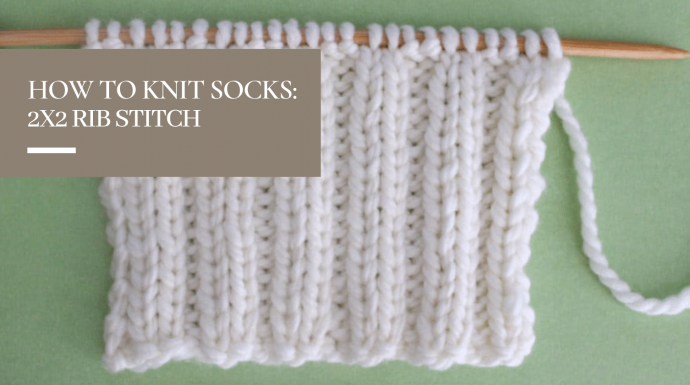
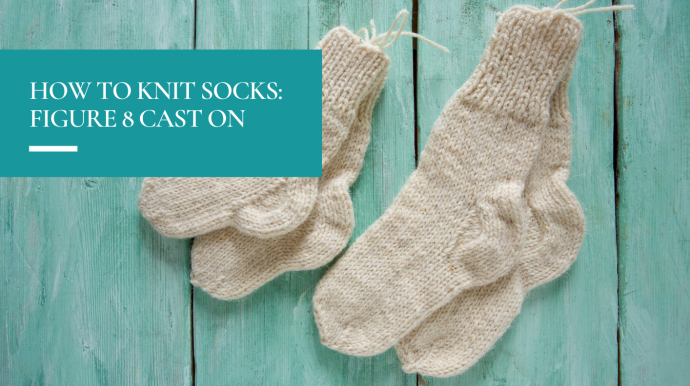
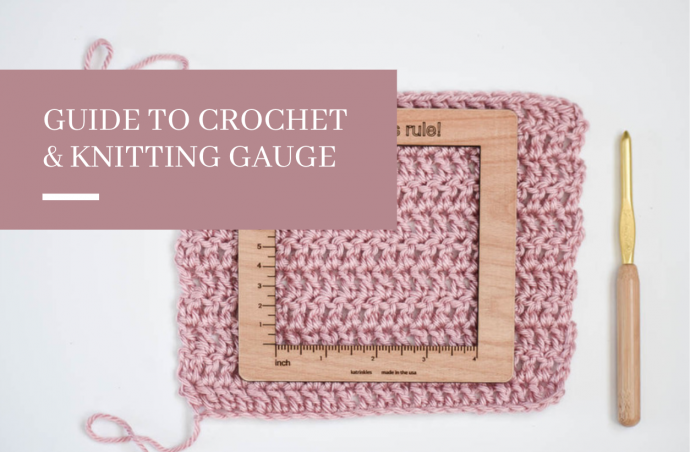
Mastering Knitting Basics: Cast on. Part 2
Don’t worry if your cast-on row looks uneven when you first try it. Practice makes perfect, so pull all the yarn off the needle and have another go. Once you know how to cast on knitting, you can get going with any project you like.
Mastering Knitting Basics: Cast On
Every knitting project, whether simple or advanced, requires you to use any of casting on techniques. Try to master these techniques at home, and next time I’ll focus on some other useful methods such knit-on, cable, tubular, invisible and provisional cast ons. If you like this format of short knitting guides, please let me know down in comments, and I’ll prepare a series of such tutorials, and hopefully videos, who knows! See you soon! Happy knitting!
Knitting Needles: Types & How to Choose
When choosing a needle for your project there are two main things that you will need to consider. First, you will need to decide which type of needle you need. The second thing you will need to decide is the material of the needle. The main types of needles are circular, single point (straight needles), and double point. Let me cover the reasons for using each type. Circular Needles These might be the most versatile knitting needle out of them all. Circular needles are the perfect choice for knitting ...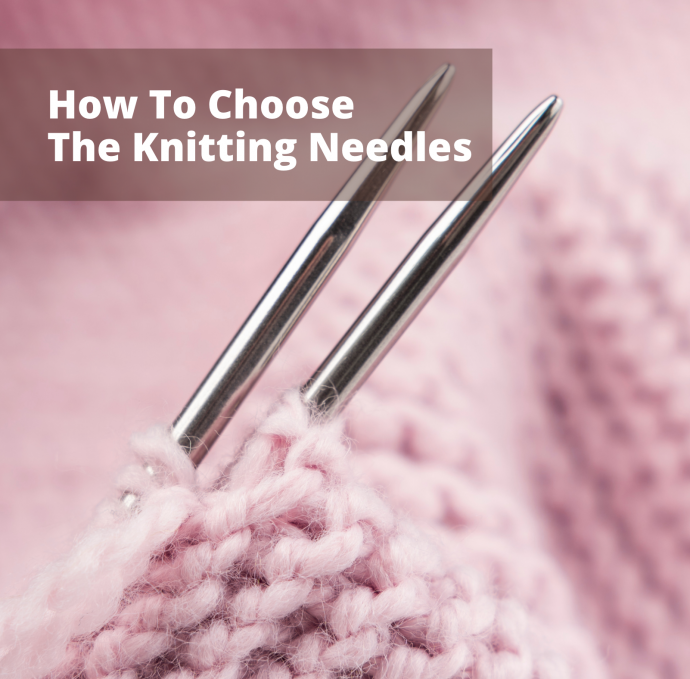
Knitting Basics: How to Hold Yarn and Needles – Continental Style
I recommend trying a new knitting style on an entire small project before deciding whether it is right for you. It may take more than a small swatch for your hands to get comfortable with a new knitting style. Feel free to modify how you hold the needles or tension your yarn to make it work best for you. Give yourself some time (at least 2 weeks!) to get used to this method but once you get the hang of it, it really becomes a very quick, easy, and relaxing way to knit. I hope this short guide is helpful ...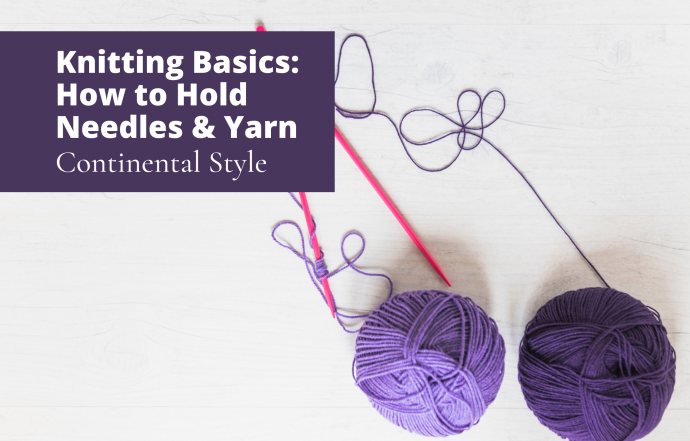
Knitting Basics: How to Hold Yarn and Needles – English Style
Your own preferences will also affect your holding position. English knitting is a knitting style that involves holding the yarn in the dominant hand, alongside the working needle. While it is common in the British Isles and North America, English knitting is practiced by knitters all over the world and is probably the most common. How to hold the needles: 1. Hold the needles with the stitches in your left hand. Wrap the yarn around your little finger and then around the index finger on your right hand...
Exploring Knitting Yarn – Part 2: Types and How to Choose It
This post is the second part of my series of posts about the basics of knitting yarns. Last time we talked about the most common yarn fibers, and here I would like to share with you a brief overview of another selection of yarn types, including merino wool, organic yarn, hemp yarn, mohair, novelty and linen. Merino Wool Taken from the merino sheep, this yarn is super soft and doesn't cause allergic reactions as regular wool does. Blocks very nicely but can "pill" (create little fuzz balls). If yo...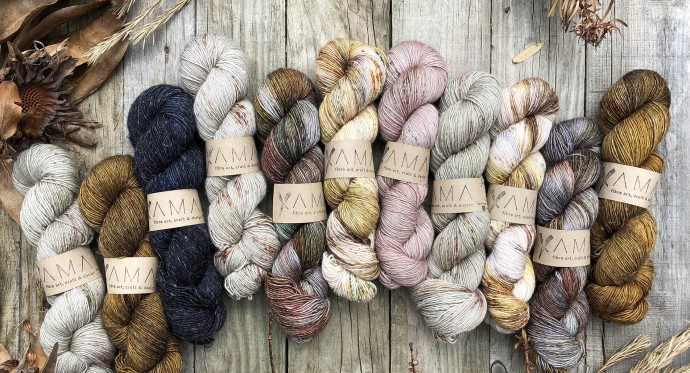
Exploring Knitting Yarn – Part 1: Types and Characteristics
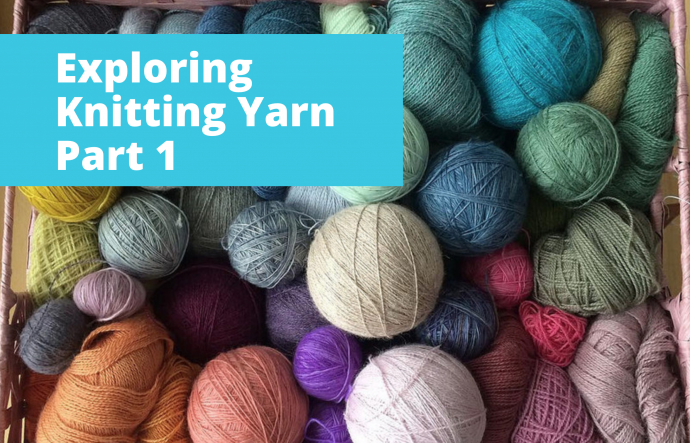
It is important to note that using different yarn fibers with wield different results in your knitting project. If a pattern specifies what yarn to use, try to use the exact yarn or something similar in fiber content. I hope this little guide has been helpful in finding out what materials to choose and how to use them. If I forgot anything, please let me know down in the comments. I would love you to share any tips you have about the fibers you love as well. Have a great day!