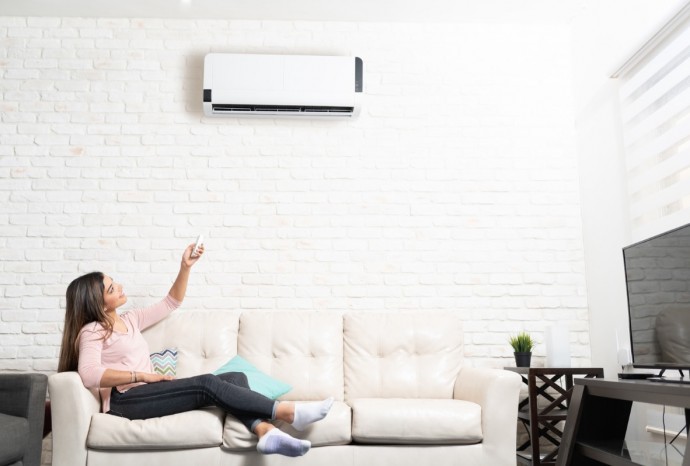
By managing a home’s heating, cooling and ventilation properly it’s possible to save on energy costs, create a healthy interior climate, reduce greenhouse gas emissions and banish mildew before it sets in.
Heating and cooling account for the largest amount of energy used in the home, but with a few simple strategies, you can keep your home cozy in winter and cool in summer without running up huge bills.
Heating sensibly
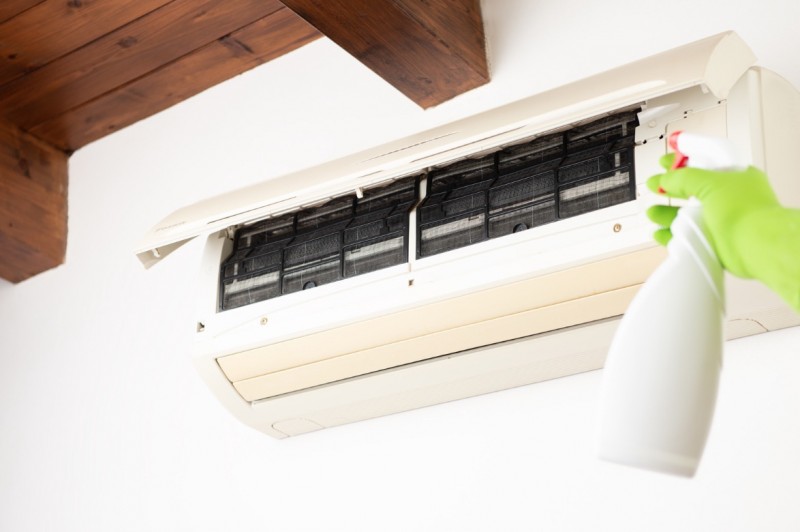
A portable space heater may be sufficient for a small house or apartment, especially if you only need heating on the coldest days of winter. Where a number of rooms need to be heated regularly, choose fixed space heaters for living areas and portable heaters for bedrooms. Investing in central heating may only be worthwhile if you need to heat most of the house for 3 or more months of the year. Check regularly that your heaters are working efficiently. If unsure, have them serviced once a year. Turn heating off when you leave the house and before you go to bed. Let the sun’s warmth in on winter days by opening up the house to the south and west. Keep cold drafts out by sealing gaps around doors and windows and using heavy curtains. Move heaters away from windows to avoid unnecessary heat loss.Staying cool in summer
Cool south- and west-facing rooms by installing temporary shutters or awnings that can be removed in winter. Or train a deciduous climber over a pergola on a south- or west-facing wall—when it loses its leaves in winter, it will let the sun in. On hot days keep the heat out by closing windows, blinds and curtains. Portable or ceiling fans are cheap to run and effective. They move air over your body and evaporates moisture and keeping you cool. When the temperature drops at night, open doors and windows to let the cool air inside. To cool a hot interior quickly, open two windows opposite each other to create cross ventilation.